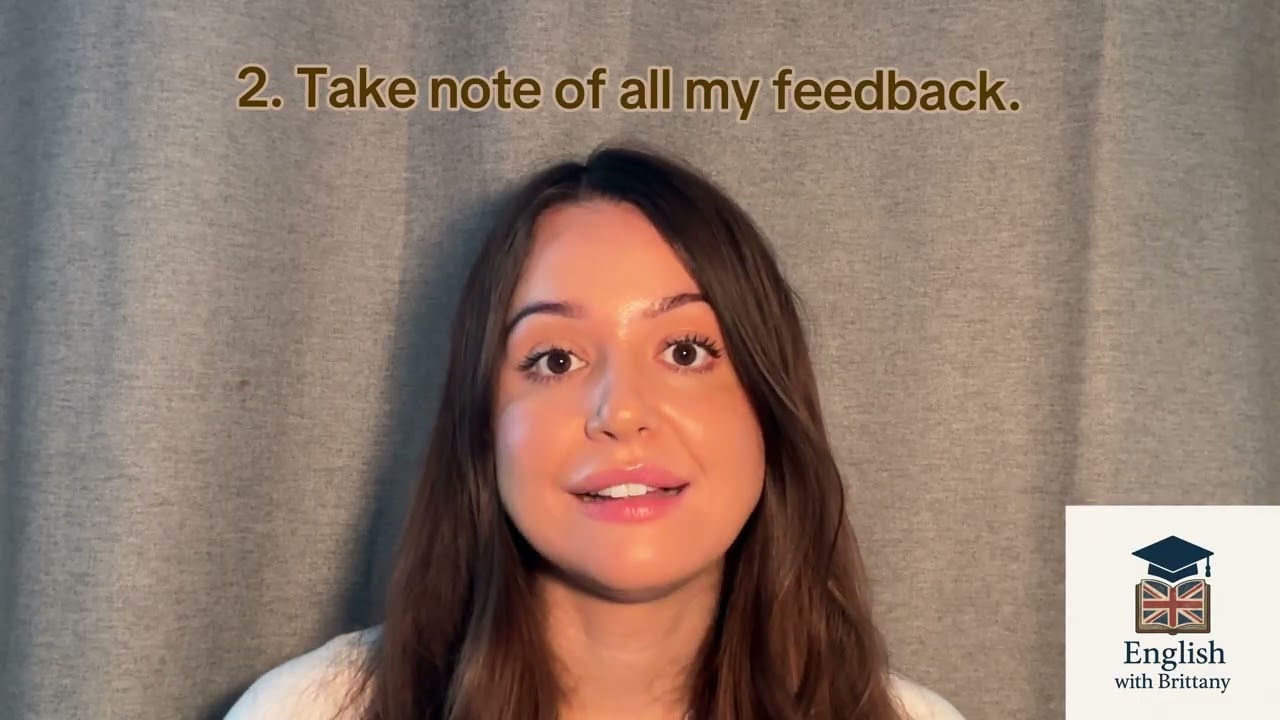
Английский язык с нуля до продвинутого. Практический курс по приложению English Galaxy. А0. Урок 19
📋 Video Summary
🎯 Overview
This video is the 19th lesson from the "English from Zero to Advanced" practical course using the English Galaxy application. The lesson focuses on mastering the use of negative sentences, specifically when combining regular verbs with negation and when using the verb "to be" in negative constructions.
📌 Main Topic
Negative Sentences in English, focusing on the correct use of "don't/doesn't" with verbs and "isn't/aren't" (forms of "to be") when no verb is present.
🔑 Key Points
- 1. Using "to be" in Negative Sentences [0:37]
- Key takeaway: The verb "to be" is essential when describing a state or condition.
- 2. Using "don't/doesn't" with Action Verbs [1:06]
- Key takeaway: Correctly identifying the verb is crucial for forming accurate negative sentences.
- 3. Adjectives after "to be" [2:23]
- 4. Phrases without verbs [2:55]
- 5. "It doesn't seem" + adjective [4:03]
- 6. "It isn't" + adjective [4:21]
- 7. "It doesn't look" + adjective [5:39]
- 8. "It doesn't interest me" vs. "It isn't interesting" [6:33]
- 9. "He doesn't look" + adjective [8:08]
- 10."I don't think" + clause [10:26]
- 11."I'm not" + adjective [12:50]
- When talking about feeling, use "to be" followed by an adjective. Example: "I'm not very tired."
- 12."I'm not afraid of" + noun/pronoun [14:27]
- 13."I don't agree with" + person [17:18]
- 14."It doesn't cost" + amount of money [18:30]
- 15."It doesn't seem" + adjective [20:29]
- 16."I don't have" + noun [21:05]
- 17."He says it isn't" + adjective [22:24]
💡 Important Insights
- • Word Order: The video emphasizes the correct word order in negative sentences, especially the placement of "not" and the use of auxiliary verbs.
- • Common Mistakes: The lesson highlights common errors learners make, such as using "don't" when "to be" is needed, and vice versa.
- • Phrasal Verbs: The importance of learning and using phrasal verbs, such as "to be afraid of" and "to agree with".
📖 Notable Examples & Stories
- • The video uses many examples to demonstrate the difference between using "don't/doesn't" and "isn't/aren't" in various contexts.
- • Examples are provided for sentences without a verb, like "She isn't here," and sentences with a verb, like "She doesn't live here."
- • The video uses examples for the use of "it doesn't seem" and different adjectives.
🎓 Key Takeaways
- 1. Understand the Difference: Distinguish between situations where you need "don't/doesn't" (with a verb) and "isn't/aren't" (without a verb).
- 2. Master the Basics: Practice forming negative sentences with common verbs and adjectives.
- 3. Context Matters: Recognize that the correct form depends on the specific sentence structure and meaning you want to convey.
✅ Action Items (if applicable)
□ Practice forming negative sentences using different verbs and adjectives. □ Review the use of "to be" and "don't/doesn't" in various sentence structures. □ Use the English Galaxy app to reinforce the concepts taught in the lesson.
🔍 Conclusion
This lesson provides a clear and practical guide to forming negative sentences in English. By understanding the core principles and practicing the examples, viewers can significantly improve their fluency and accuracy in expressing negative ideas. The video stresses the importance of understanding when to use "to be" versus "don't/doesn't" and provides valuable examples.
Create Your Own Summaries
Summarize any YouTube video with AI. Chat with videos, translate to 100+ languages, and more.
Try Free Now3 free summaries daily. No credit card required.
Summary Stats
What You Can Do
-
Chat with Video
Ask questions about content
-
Translate
Convert to 100+ languages
-
Export to Notion
Save to your workspace
-
12 Templates
Study guides, notes, blog posts